A new roof installation typically begins with an inspection and written estimate, followed by permit filing, material delivery, tear-off, deck repair, underlayment, shingle installation, flashing, and a final cleanup and inspection. Most residential projects in New Jersey take one to three days, depending on roof size, weather, and complexity. Homeowners should expect a clear contract, protected landscaping, daily communication, and a manufacturer warranty. Choosing a licensed, insured, experienced roofing company ensures the work meets local code and performs reliably through New Jersey’s freezing winters and humid summers.
Your roof is the most important shield your home has, so the decision to replace it deserves careful thought. For many homeowners, new roof installations feel stressful because the process is unfamiliar, the investment is significant, and the work happens directly above the family. Knowing what to expect, from the first inspection to the final walkthrough, removes much of that uncertainty.
At Mithrayon Energy, we believe informed homeowners make better decisions, and we want every client to feel confident from the first phone call. This article walks through each stage of a typical project so you know exactly what a qualified roofing company in New Jersey should deliver.
Every successful roof project starts with a thorough inspection. A professional should examine your shingles, flashing, gutters, vents, and attic space, and look for signs of moisture, sagging, or rot in the roof deck. Photographs and measurements allow the contractor to prepare an accurate scope of work.
You should then receive a detailed written estimate that lists materials, labor, disposal, permit costs, and the expected timeline. Be cautious of vague quotes. A clear estimate protects both parties and prevents surprise charges later. At Mithrayon Energy, we walk each homeowner through the estimate line by line, so our clients understand what they are paying for and why.
Material selection affects appearance, durability, energy performance, and long-term cost. Asphalt shingles remain the most popular choice for residential roofing because they balance affordability, variety, and performance. Architectural shingles offer added thickness and dimension, while metal, slate, and synthetic products suit homeowners who want an even longer service life.
Brand and system quality matter as well. As a Preferred Contractor with Owens Corning, we install complete roofing systems designed to work together, from underlayment to shingles to ventilation.
Most New Jersey municipalities require a permit for a full roof replacement. A reputable contractor handles the application, schedules any required inspections, and keeps the paperwork on file. Before work begins, confirm that your contractor carries liability insurance and workers’ compensation coverage, and verify that the business is registered. The New Jersey Division of Consumer Affairs offers resources for checking home improvement contractor registration.
Scheduling depends on the season, material availability, and the forecast. Because roofing is weather sensitive, a good contractor will communicate openly about possible delays and reschedule when conditions are unsafe.
Before the crew arrives, we recommend a few simple preparations. Move vehicles away from the driveway and garage, remove wall hangings and fragile items from upper floors, and clear patio furniture, grills, and planters from around the foundation. Vibration from the work can loosen items inside the home, so a little preparation prevents accidents.
A professional crew will protect your property with tarps, plywood, and magnetic tools for collecting stray nails. Landscaping, siding, and windows should be shielded, and your family should be told when to expect the loudest phases of work.
The project begins with removing old shingles, underlayment, and flashing down to the roof deck. This is the stage where hidden problems appear. Once the deck is exposed, the crew can identify soft spots, water damage, or deteriorated plywood and replace those sections before moving forward.
Skipping a proper deck inspection is one of the most common shortcuts in the industry, and it often leads to premature roof failure. We treat the deck as the foundation of the roof, and we insist that it be sound before anything new is installed.
Once the deck is ready, installers apply an ice and water barrier along the eaves and in valleys, followed by synthetic underlayment across the remaining surface. In New Jersey, where winter freeze and thaw cycles can drive water beneath shingles, this protective layer is essential.
New drip edge, valley flashing, and pipe boots are installed next. Flashing around chimneys, skylights, and walls is a frequent source of leaks, so it should be replaced rather than reused. Proper attic ventilation is also reviewed at this stage. Balanced intake and exhaust airflow helps regulate temperature, limits moisture buildup, and supports the life of your shingles.
With the underlayment and flashing in place, the crew installs shingles in courses from the eaves upward, following the manufacturer’s nailing pattern and alignment guidelines. Correct nail placement and shingle overlap are critical, and these details are the difference between a roof that lasts and a roof that fails early. The National Roofing Contractors Association provides industry standards and homeowner resources that explain why proper installation matters.
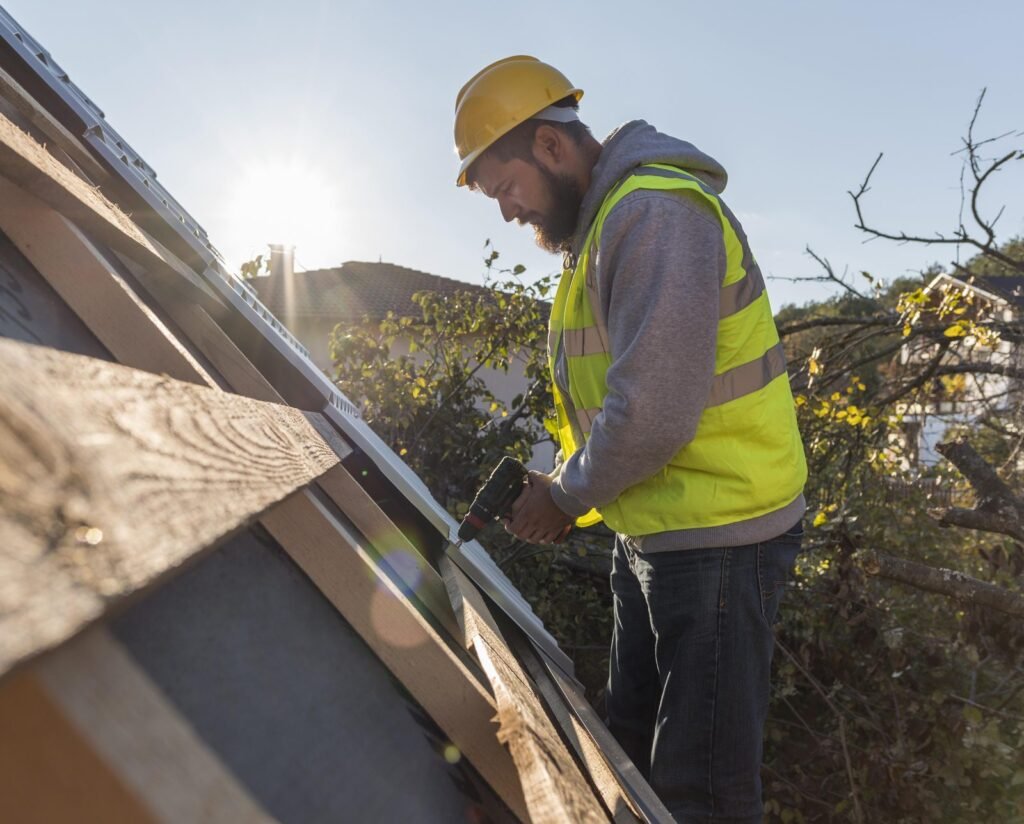
Ridge caps and ridge vents are installed last, completing the weather-tight system. A skilled crew will also check that every row is straight and that the finished surface is uniform in appearance.
When installation is complete, the crew should remove all debris, run a magnetic sweep across the lawn and driveway, and inspect gutters for shingle granules and stray materials. The project manager should then conduct a final walkthrough with you, point out the completed work, and answer your questions.
Expect to receive warranty documentation and a final invoice at this point. Keep these records in a safe place, since they are valuable for future repairs, insurance claims, and home sales.
A strong warranty protects your investment long after the crew leaves. Two kinds of coverage matter most: the manufacturer’s warranty on materials and the contractor’s workmanship warranty on installation. Ask what each warranty covers, how long it lasts, and whether it transfers to a future buyer. Registered systems from preferred contractors often qualify for enhanced coverage, which is one reason we encourage homeowners to work with certified professionals.
Mithrayon Energy is built on trust, clear communication, and quality craftsmanship. Our roofing services cover residential and commercial properties, and our team also handles exterior remodels, including siding, gutters, and windows.
We also offer solar solutions and a free solar consultation, so homeowners can explore how a new roof can support clean, affordable energy in the future.
If you are ready to replace your roof, we are here to help. Contact Mithrayon Energy today to schedule an inspection and receive a clear, detailed estimate.
Our team will guide you through every step, answer your questions, and deliver a roof that protects your home for years to come.
Common signs include curling or missing shingles, granules in the gutters, interior water stains, daylight visible in the attic, and a roof that is more than 20 years old. If you notice any of these, schedule a professional inspection to confirm whether repair or replacement is the better option.
In some cases, local code allows a second layer, but a full tear-off is usually the better choice. Removing the old roof lets the crew inspect the deck, fix hidden damage, and install a fresh, properly sealed system.
You do not need to be home, but you should be reachable. We recommend being available at the start of the project and during the final walkthrough so any questions can be answered promptly.